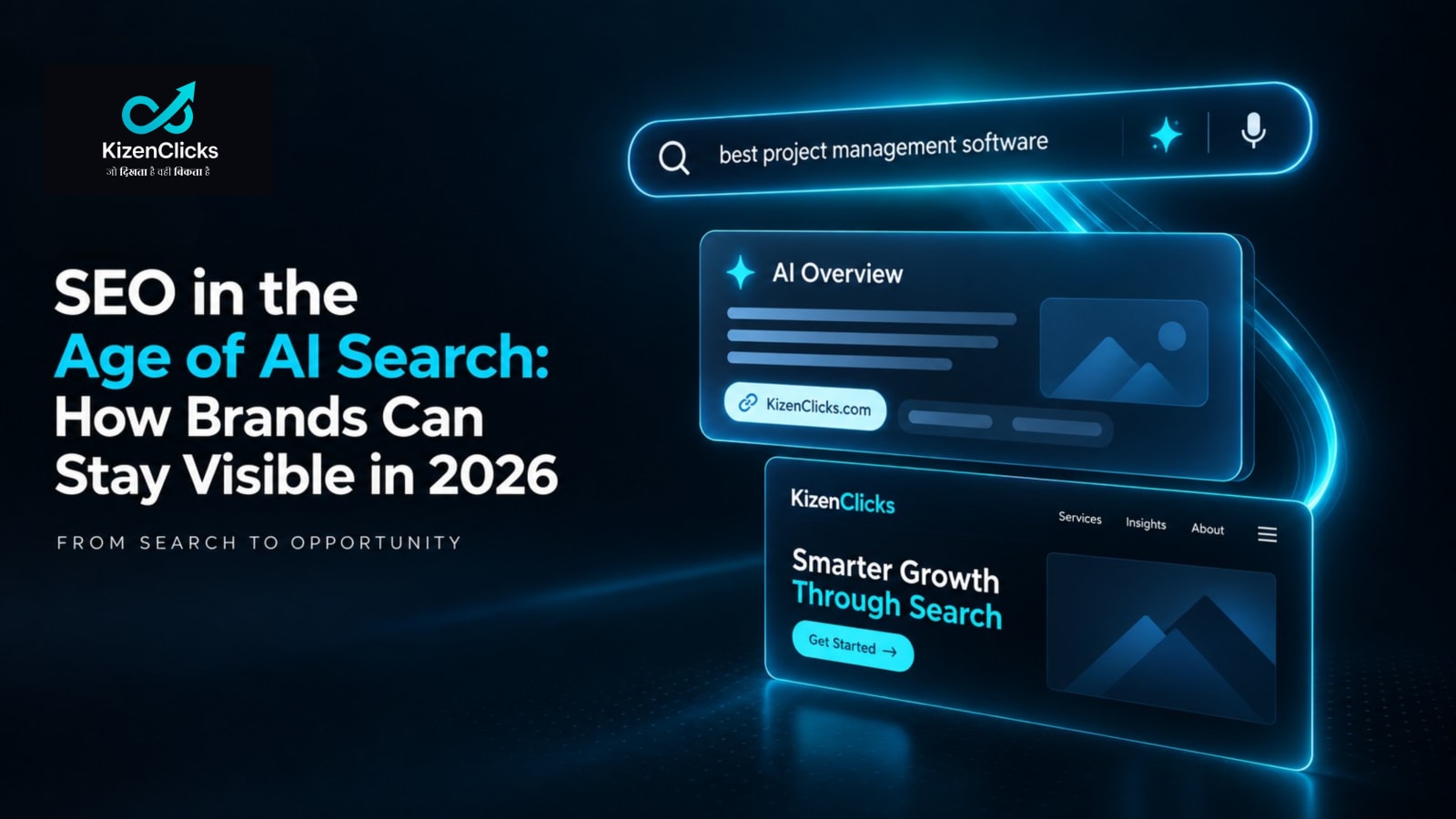
Search is no longer one simple journey from a keyword to ten blue links. People still use Google, but they also ask longer questions, scan AI-generated summaries, compare options inside social platforms and expect useful answers without digging through multiple pages. For brands, that means SEO is becoming less about “ranking for a keyword” and more about being the clearest, most trustworthy answer wherever discovery happens.
What AI search changes about SEO
AI-powered search experiences can summarize information from several sources before a user clicks. That can reduce low-intent clicks, but it can also increase the value of being cited, mentioned or surfaced when someone is actively comparing solutions. The opportunity is not to write for an algorithm. It is to make your expertise easy for both people and search systems to understand.
A strong AI search SEO strategy starts with the same foundation as good SEO: crawlable pages, clear topics, original information, useful answers and a website that demonstrates real experience. The difference is that content now needs to be even easier to extract, verify and connect to a specific brand or service.
1. Build pages around real customer questions
Start with the questions people ask before they contact a business. For a marketing agency, those may include “How much should I spend on Meta Ads?”, “Do I need SEO and social media?” or “Why is my website getting traffic but no leads?” These are stronger content opportunities than generic topics because they match commercial intent.
Group related questions into one useful page instead of creating dozens of thin posts. Use a clear introduction, descriptive H2 headings, short answer-first paragraphs and practical examples. This helps readers scan quickly and helps search systems understand what each section answers.
2. Create information worth citing
AI search can easily repeat generic advice. Brands become more useful when they contribute something specific: a framework, a checklist, a process, a comparison, original observations or a clearly explained point of view. Your content should add information rather than simply reword what already exists.
For service businesses, real expertise can be shown through before-and-after thinking, common mistakes seen in projects, decision criteria, implementation steps and transparent limitations. Avoid invented statistics or exaggerated claims. Credibility compounds when the content sounds like it comes from people who actually do the work.
3. Strengthen your brand entity across the web
Search systems try to understand who is behind a website and what that business is known for. Keep your brand name, services, contact details and positioning consistent across your website, social profiles, business listings and reputable third-party mentions. Create a strong About page, clear service pages and author information where appropriate.
Internal links also matter. Connect educational articles to the most relevant service page, related guide and contact page so users - and crawlers - can understand how your content ecosystem fits together.
4. Make technical SEO boring and reliable
Great content cannot perform if the site is difficult to crawl or use. Keep important pages indexable, use descriptive title tags, one clear H1, logical heading structure, helpful alt text, fast loading pages, clean mobile layouts and canonical URLs where needed. Add relevant structured data only when it accurately describes the page.
Technical basics are not glamorous, but they reduce friction between your content and the systems trying to retrieve it.
5. Optimize for the next action, not only the click
Traffic is useful only when visitors know what to do next. Each article should naturally guide the reader toward a deeper resource or a service. A user reading about AI search SEO may next need an SEO audit, content strategy or website improvement. Make that path obvious without turning every paragraph into a sales pitch.
Use clear calls to action, relevant internal links and service explanations that match the article's intent. This creates a better experience and gives SEO traffic a better chance of becoming an enquiry.
A practical AI search SEO checklist
- Answer one clear search intent per page.
- Use descriptive headings and answer-first paragraphs.
- Add examples, frameworks or original expertise.
- Keep brand and service information consistent.
- Improve internal linking between blogs and service pages.
- Maintain crawlability, speed and mobile usability.
- Refresh content when the information genuinely changes.
- Measure qualified enquiries, not rankings alone.
Frequently asked questions
Is traditional SEO still important when people use AI search?
Yes. AI discovery still depends heavily on accessible, well-structured and trustworthy web information. Technical SEO, useful content and clear site architecture remain the foundation.
What is answer engine optimization?
Answer engine optimization, often shortened to AEO, is the practice of structuring content so that search and AI systems can clearly understand and surface direct answers. It works best as an extension of solid SEO rather than a replacement for it.
How should a small business start?
Start with your highest-value customer questions, improve the pages that already attract relevant traffic, strengthen local and service information, and connect every useful article to a meaningful next step.
Ready to make your brand easier to find - and easier to choose? KizenClicks combines SEO, content, website strategy and creative execution to help businesses turn search visibility into real opportunities. Talk to KizenClicks about your growth strategy.